
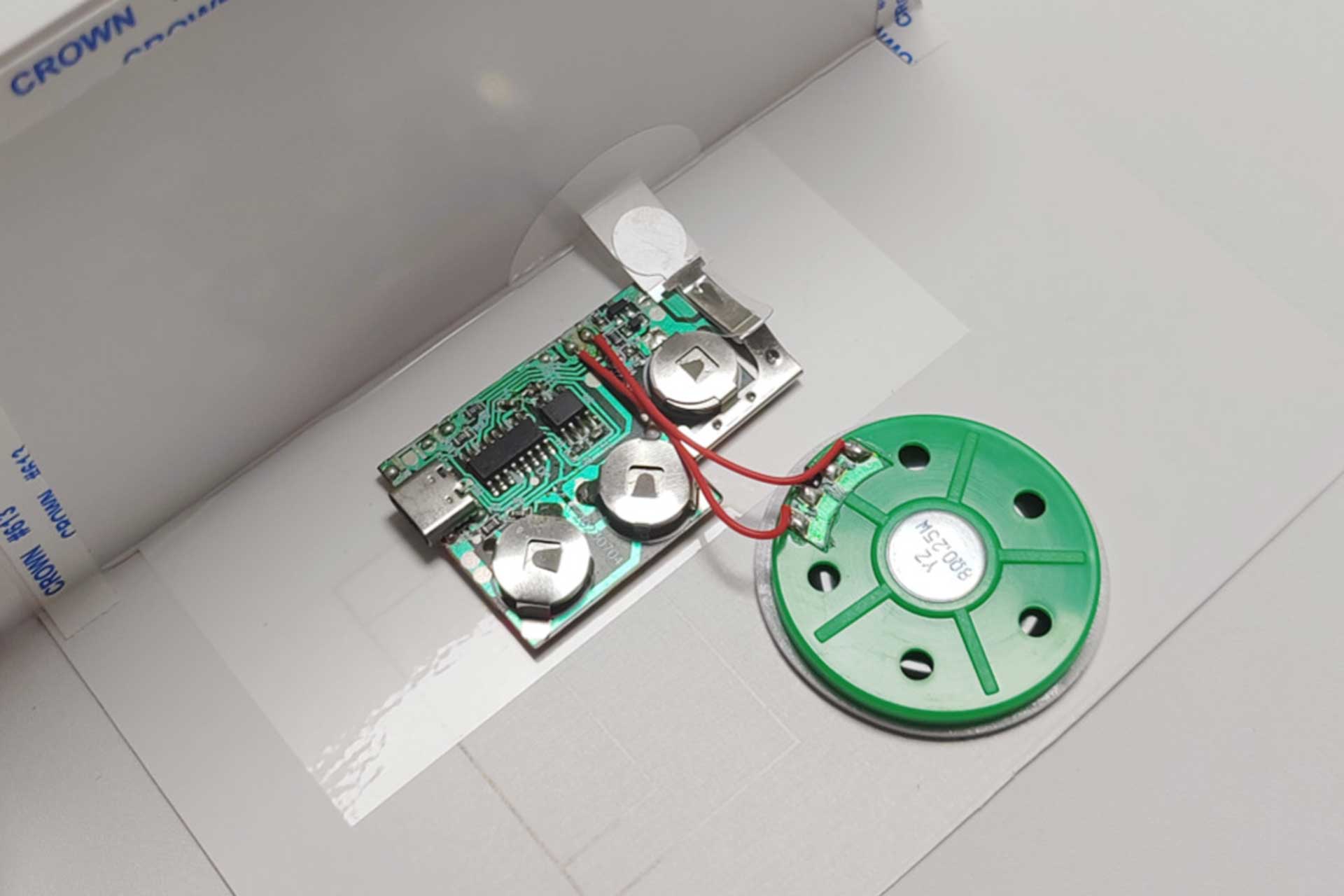

Musical movements, often referred to as "music boxes" or "sound modules," are the tiny mechanical or electronic devices embedded in greeting cards that play melodies when opened. These charming components have transformed simple cards into memorable, interactive gifts that delight recipients of all ages.
How Musical Movements Work
There are two main types of musical movements used in greeting cards:
- Mechanical Music Box Mechanisms
- These consist of a small metal cylinder with tuned pins that pluck a steel comb, producing a melodic chime.
- Activated by a pull-tab or when the card is opened, the mechanism winds a spring that rotates the cylinder.
- The sound is organic and nostalgic, reminiscent of classic music boxes.
- Electronic Sound Modules
- These use a microchip, a button cell battery, and a tiny speaker to play pre-recorded tunes or even custom messages.
- Some advanced modules include LED lights or the ability to record personal audio.
- They are more versatile and can produce a wider range of sounds, from holiday jingles to popular songs.
Why Musical Greeting Cards Stand Out
- Emotional Impact: A personalized melody enhances the sentimental value of a card, making the moment more special.
- Surprise Element: The unexpected music creates a joyful experience, especially for children and loved ones.
- Versatility: Suitable for birthdays, weddings, holidays, and anniversaries, musical cards fit various occasions.
Choosing the Right Musical Movement
When designing or selecting a musical card, consider:
- Song Choice: Pick a melody that matches the occasion (e.g., "Happy Birthday" for birthdays, "Jingle Bells" for Christmas).
- Durability: Mechanical movements have a vintage appeal but may wear out over time, while electronic modules last longer.
- Size & Thickness: Ensure the mechanism fits seamlessly inside the card without making it too bulky.
The Future of Musical Cards
With advancements in technology, we now see musical cards with Bluetooth connectivity, allowing users to upload custom songs or voice recordings. Some even integrate QR codes that link to digital messages or videos, blending tradition with innovation.
Conclusion
Musical movements add a magical touch to greeting cards, turning them into cherished keepsakes. Whether through the delicate chime of a mechanical music box or the crisp sound of an electronic module, these tiny devices ensure that every card delivers not just a message, but an experience.
Would you like recommendations for specific musical mechanisms or DIY tips for creating your own musical card?