

Adding a sound module to a greeting card can transform it into a memorable, interactive gift. However, selecting the right one depends on several factors, including the type of sound, power source, size, and durability. Here’s a guide to help you choose the best sound module for your greeting card.
1. Determine the Type of Sound Module
There are two main types of sound modules used in greeting cards:
A. Mechanical Music Box Movements
- How it works: A small metal cylinder with pins plucks a steel comb to produce a melodic chime.
- Pros:
- Classic, nostalgic sound
- No battery required (activated by pulling a tab or opening the card)
- Elegant and timeless feel
- Cons:
- Limited song selection
- Can wear out over time
- Louder and more noticeable mechanism inside the card
Best for: Vintage-style cards, wedding invitations, and sentimental occasions.
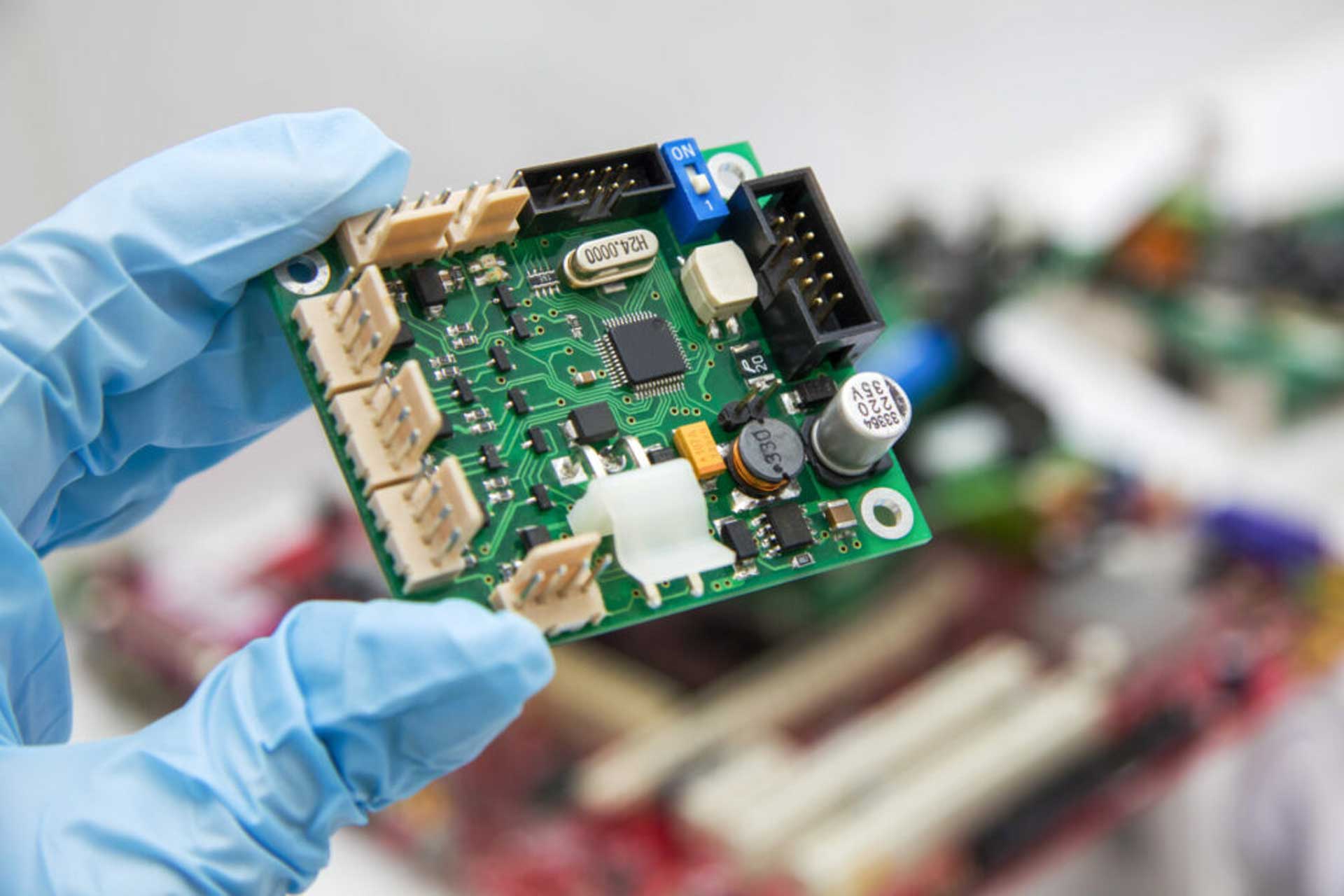
B. Electronic Sound Modules
- How it works: Uses a microchip, battery, and speaker to play pre-recorded tunes or custom sounds.
- Pros:
- Wide variety of songs and sound effects
- Can include voice recordings, LED lights, or even motion sensors
- Compact and lightweight
- Cons:
- Requires a small battery (usually a coin cell)
- May have a slightly synthetic sound compared to mechanical music
Best for: Modern greeting cards, kids’ birthday cards, and holiday-themed designs.
2. Consider the Sound Options
- Pre-recorded melodies: Common choices include "Happy Birthday," "Wedding March," or holiday tunes.
- Custom recordings: Some modules allow you to record a personal message (e.g., "Happy Anniversary!").
- Sound effects: For humorous or themed cards (e.g., laughter, animal sounds, or applause).
Tip: If using a copyrighted song, ensure the module is licensed or opt for royalty-free alternatives.
3. Check the Size and Thickness
- Thin modules (1-2mm): Best for standard cards, ensuring they don’t bulge.
- Larger modules (3-5mm): May require a layered or pop-up card design to conceal them.
- Placement: Decide if the module will be hidden inside or attached externally (e.g., as a button).
4. Power Source & Activation Method
- Battery-operated (electronic):
- Common battery types: CR2032 or LR44 (check lifespan).
- Some modules have an on/off switch to preserve battery life.
- Pull-tab or motion-activated (mechanical):
- No battery needed but may have limited plays.
- Light or pressure sensors:
- Plays when the card is opened or exposed to light.
5. Durability & Playback Length
- Mechanical modules: Typically play for 10-30 seconds before rewinding.
- Electronic modules: Can loop or play longer recordings (up to 1-2 minutes).
- Quality check: Ensure the module is well-built to avoid malfunctions.
6. Budget & Customization
- Low-cost options: Basic pre-recorded modules are affordable (under $1-$2 each).
- Premium options: Custom voice recordings or branded modules cost more.
- Bulk purchases: Cheaper per unit if ordering in large quantities.
Final Tips for Selection
✔ Match the occasion (romantic tune for weddings, fun jingle for birthdays).
✔ Test the sound quality before finalizing.
✔ Consider the card’s design—will the module fit seamlessly?
✔ Check battery life (if electronic) to ensure longevity.
By choosing the right sound module, you can create a greeting card that not only conveys a message but also delivers a delightful, multisensory experience!
Would you like recommendations for specific suppliers or DIY installation tips?
Neque porro quisquam est, qui dolorem ipsum quia dolor sit amet, te consec tetur, adipisci velit, sed quia non numquam eius modi tempora incidunt ut labore et dolore magnam aliquam quaerat voluptatem. tempora incidunt ut labore et dolore magnam aliquam quaerat.
Neque porro quisquam est, qui dolorem ipsum quia dolor sit amet, te consec tetur, adipisci velit, sed quia non numquam eius modi tempora incidunt ut labore et dolore magnam aliquam quaerat voluptatem. tempora incidunt ut labore et dolore magnam aliquam quaerat.